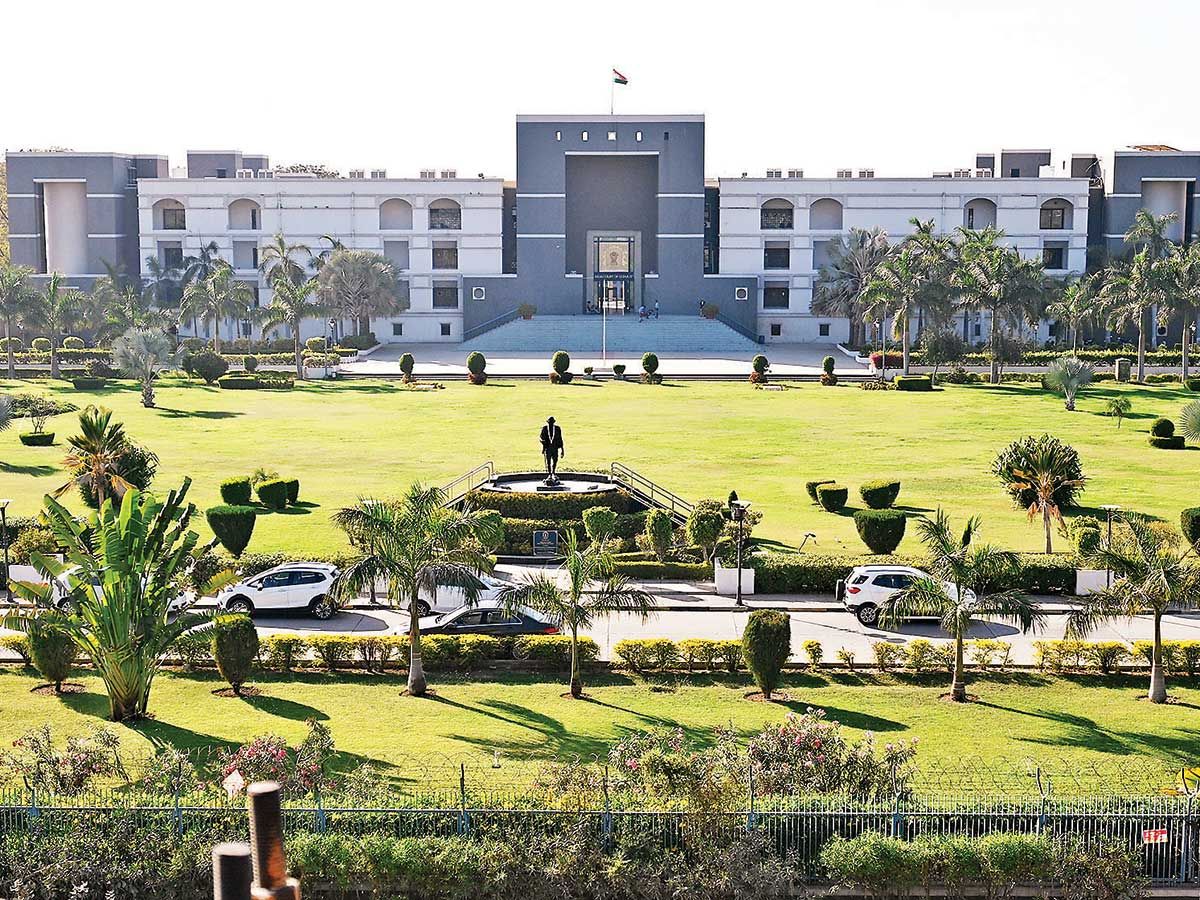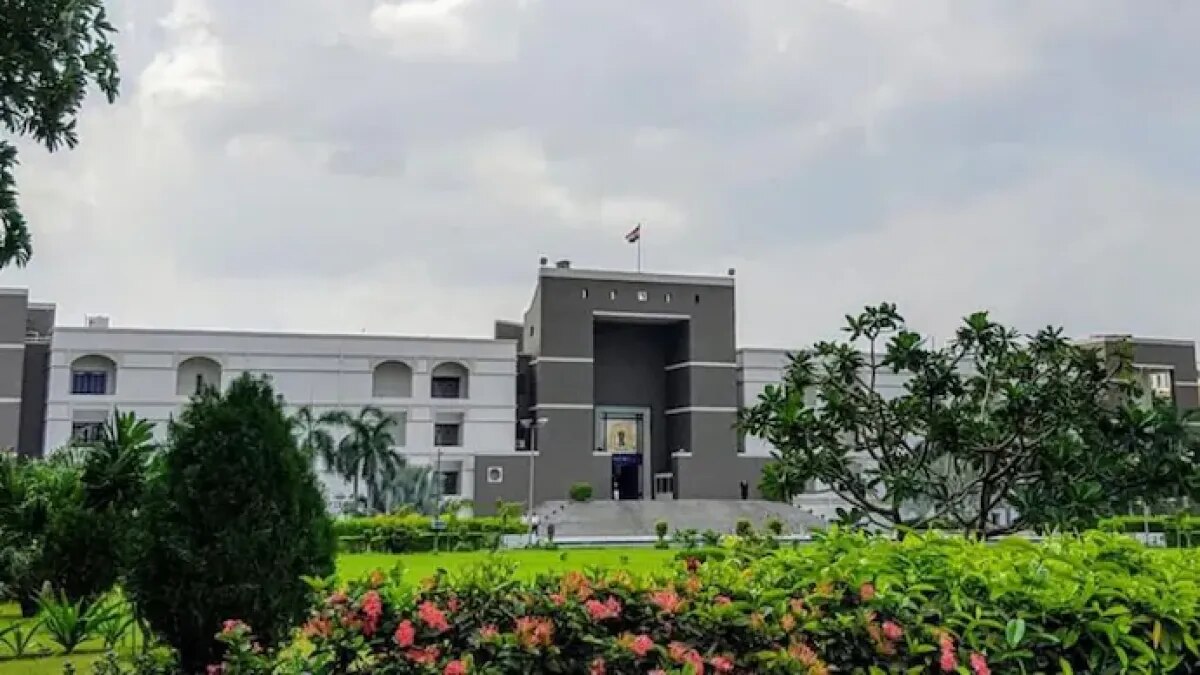



A common misconception in inheritance disputes is that securing probate proves who owns the property. The Gujarat High Court clarified that a probate court's job begins and ends with verifying whether a will is genuine and validly executed—it has no jurisdiction to decide ownership or title.

When family disputes arise over inherited property, the process of proving a will often leads to significant confusion. One of the most common assumptions is that once a probate court validates a will, it also certifies that the deceased held clear, unquestionable title to every asset listed within it.
In the case of Bapubhai Somabhai Patel (Deceased) Through Legal Heirs v. Vithalbhai Somabhai Patel, the Gujarat High Court addressed this exact jurisdictional boundary, clarifying where a probate court's authority starts—and where it strictly stops.
The Dispute Behind the Will
The controversy began when Vithalbhai Somabhai Patel applied for probate of a will purportedly executed by his late father, Somabhai Dwarkadas Patel.
The legal heirs of his brother, Bapubhai Somabhai Patel, contested the application on two fronts:
They challenged the authenticity and proper execution of the will itself.
They contended that the property mentioned was ancestral, arguing that the deceased lacked the legal authority to bequeath it exclusively to one heir.
This brought a critical question before the Gujarat High Court: Can a probate court evaluate whether a testator actually owned the property when deciding whether to grant probate?
The Core Ruling: Probate Confirms Execution, Not Title
The High Court established that the jurisdiction of a court sitting in probate is limited and specialized. Its role is confined to determining:
Whether the will was executed and attested strictly in compliance with statutory requirements.
Whether the testator was of sound disposing mind and acting of their own free will at the time of signing.
Writing for the Court, Justice J. R. Vora highlighted that a probate court does not function as a civil court of title:
No Inquiry into Ownership: The probate court cannot adjudicate whether the deceased had good title to the assets bequeathed, nor can it rule on whether a particular bequest is legally enforceable against other claimants.
Relevant Only as a "Suspicious Circumstance": The question of whether the testator lacked authority to dispose of the property can be raised only to the extent that it sheds light on suspicious circumstances surrounding the execution. However, using that fact as contextual evidence does not give the probate court power to decide title.
Remedies Remain Open: Granting probate does not extinguish the rights of third parties or co-sharers. Anyone claiming an independent title or asserting that the property is ancestral retains the right to file a regular civil suit to establish their ownership.
Outcome of the Case
Finding no substantial question of law warranting intervention, the Gujarat High Court dismissed the second appeal at the admission stage. The Court confirmed that while the probate stands, it creates no final decree on ownership—leaving the aggrieved heirs free to pursue appropriate civil remedies to assert their independent property rights.
Practical Takeaway
A grant of probate acts as a judicial certification that a will is authentic and validly executed. It does not operate as a title deed. If a beneficiary receives probate for a will that purports to transfer property the testator never actually owned, true owners and co-sharers can challenge that transfer in a competent civil court.
Case Reference: Bapubhai Somabhai Patel (Deceased) Through Legal Heirs v. Vithalbhai Somabhai Patel, Decided on 23 June 1999; Reported at (2000) 2 GLR 104.
Important Legal Disclaimer & Notice for Readers
The contents of this article are prepared solely for educational, academic, and informational purposes to facilitate study and understanding of judicial precedents. This publication does not constitute legal advice, nor does it establish an advocate-client relationship. While reasonable diligence has been exercised to ensure the accuracy of the summary at the time of publication, no representation, warranty, or guarantee—express or implied—is made regarding the completeness, currency, or applicability of this information to any specific case or set of facts. Property and succession laws are subject to local statutory variations and factual nuances. Readers facing inheritance, probate, or title disputes should not act upon this material without seeking independent, personalized advice from a qualified advocate or legal practitioner.